When to Seek Professional Help: Signs You Need Counseling


In today's fast-paced world, it's not uncommon to feel overwhelmed, stressed, or anxious. While some level of stress is normal, there are times when it may be beneficial to seek professional help. Understanding when to reach out for counseling can be a crucial step toward improving your mental health and well-being.
Recognizing Emotional Distress
One of the primary indicators that you may need counseling is experiencing persistent emotional distress. If feelings of sadness, anxiety, or anger become overwhelming and interfere with your daily life, it might be time to seek professional assistance. These emotions can affect your work, relationships, and overall quality of life.

Signs of Emotional Distress
- Persistent sadness or depression
- Excessive worry or anxiety
- Irritability or mood swings
- Feeling overwhelmed or helpless
If you experience these symptoms for an extended period, consider reaching out to a counselor for support.
Behavioral Changes
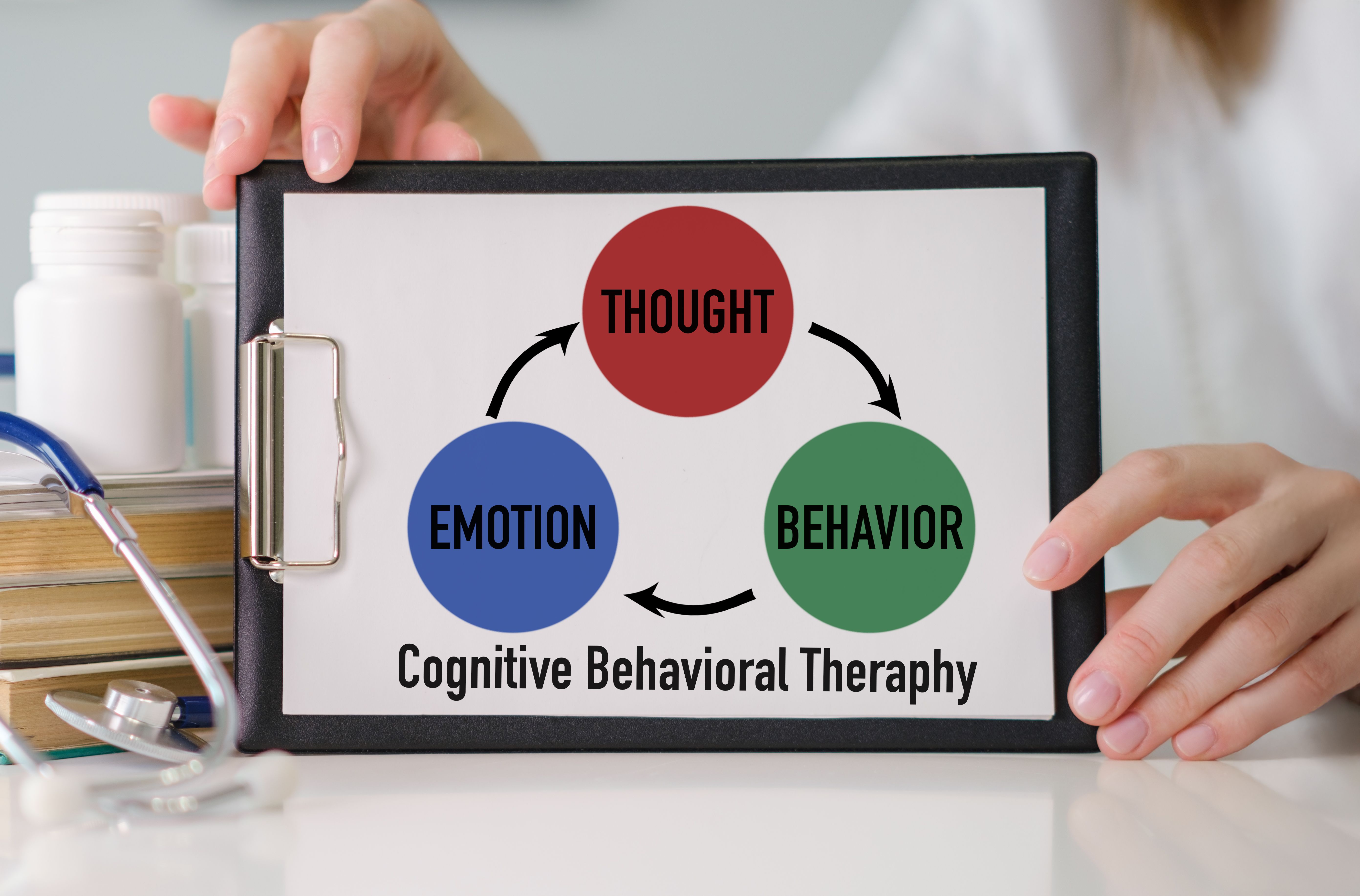
Noticing significant changes in your behavior can also be a sign that you need counseling. These changes might include withdrawing from social activities, neglecting responsibilities, or engaging in unhealthy coping mechanisms like substance abuse.
Identifying Behavioral Changes
- Withdrawing from friends and family
- Neglecting work or personal responsibilities
- Increased use of alcohol or drugs
- Changes in eating or sleeping patterns
Recognizing these behaviors early can help prevent further deterioration of your mental health.
Dealing with Trauma or Loss
Experiencing a traumatic event or significant loss can be incredibly challenging. Whether it's the death of a loved one, a breakup, or a major life transition, these events can leave you feeling lost and overwhelmed. Professional counseling can provide the support and tools needed to process these experiences healthily.

It's important to acknowledge that seeking help is a sign of strength, not weakness. A counselor can guide you through the healing process, offering a safe space to explore your emotions and develop coping strategies.
Difficulty in Relationships
Relationships are a fundamental part of our lives, and when they become strained, it can be distressing. Whether it's a romantic relationship, family dynamic, or friendship, counseling can help address communication issues, conflicts, and other challenges.
Indicators of Relationship Struggles
- Frequent arguments or misunderstandings
- Lack of communication or intimacy
- Feeling disconnected or unsupported
Counseling can help improve relationships by fostering better communication and understanding.
Conclusion
Recognizing the signs that you may need counseling is the first step toward a healthier, more fulfilling life. If you identify with any of the indicators mentioned, consider reaching out to a professional counselor. Remember, seeking help is a proactive way to take control of your mental health and ensure a brighter future.