
The Benefits of Virtual Counseling: A Modern Solution


Understanding Virtual Counseling
In recent years, virtual counseling has emerged as a powerful tool for mental health support. Leveraging technology, it offers a modern solution to traditional face-to-face therapy sessions. With the increasing need for accessible mental health services, virtual counseling bridges the gap by providing a convenient and effective alternative.
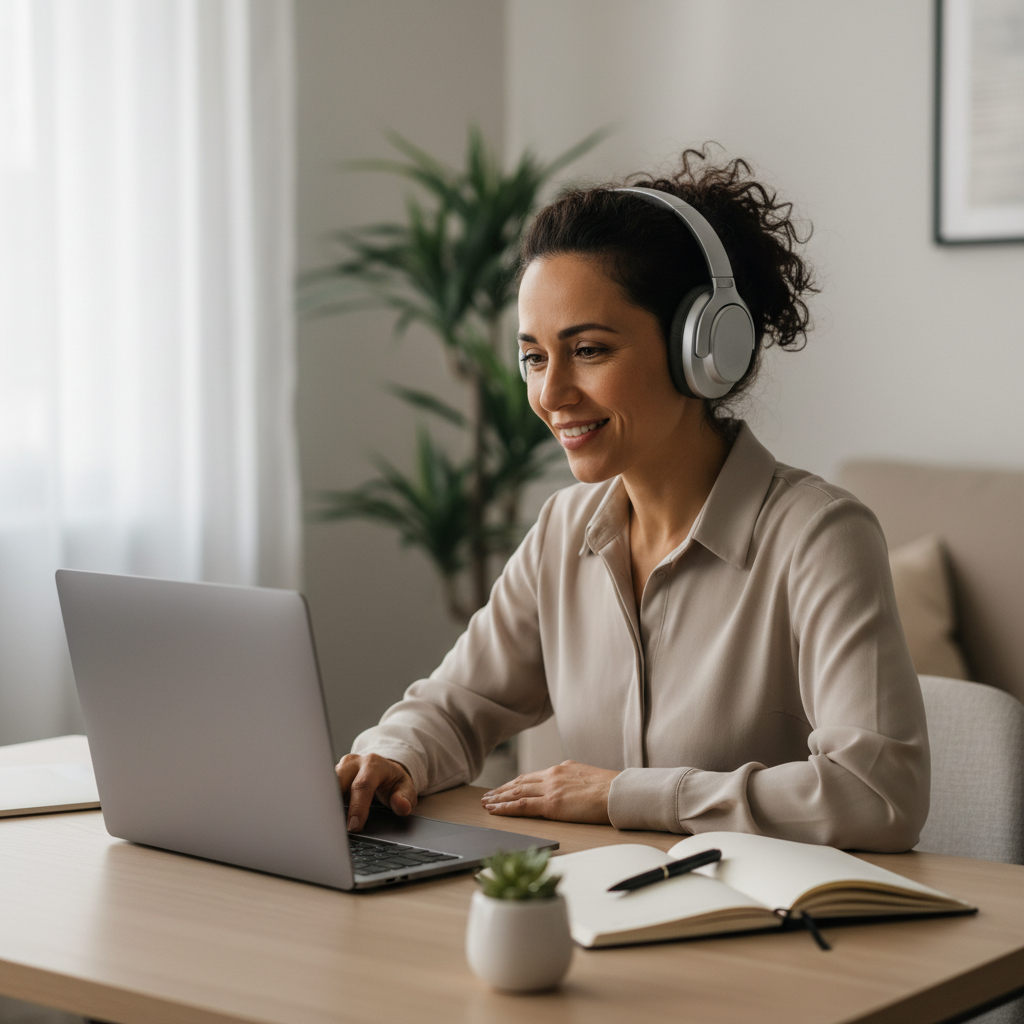
Virtual counseling, often conducted via video calls, chat, or phone, allows individuals to receive professional support from the comfort of their homes. This method eliminates geographical barriers, making mental health services accessible to those in remote areas or with mobility challenges.
Flexible Scheduling
One of the standout benefits of virtual counseling is its flexibility. Traditional therapy often requires fixed appointments, which can be challenging for those with busy schedules. Virtual sessions offer more flexibility, allowing clients to schedule appointments at times that suit their lifestyle. This adaptability is crucial for individuals balancing work, family, and personal commitments.
Increased Accessibility
Accessibility is a significant advantage of virtual counseling. It provides a solution for individuals who might otherwise face barriers to accessing mental health services. Whether it's due to living in a rural area, having physical disabilities, or dealing with transportation issues, virtual counseling ensures that help is just a click away.

Another aspect of accessibility is the diverse range of professionals available online. Clients have the opportunity to connect with specialists who may not be available locally, broadening their options for tailored care.
Privacy and Comfort
For many, discussing personal issues is easier in a familiar and private environment. Virtual counseling allows individuals to engage in therapy from a space where they feel secure. This sense of comfort can facilitate more open communication and lead to more effective counseling outcomes.
Cost-Effectiveness
Virtual counseling is often more cost-effective than traditional therapy. Without the need for physical office space, therapists can reduce overhead costs, which may translate to lower fees for clients. Additionally, clients save on travel expenses and time, making it a financially attractive option.

Moreover, some insurance providers now cover virtual counseling sessions, further reducing the financial burden and increasing the affordability of mental health care.
Embracing Technology for Better Outcomes
The integration of technology in counseling has paved the way for innovative therapeutic tools. Apps and online platforms offer various features such as mood tracking, journaling, and mindfulness exercises, which complement traditional therapy techniques. These tools can enhance the therapeutic process and empower clients to take an active role in their mental health journey.
In conclusion, virtual counseling presents a modern, flexible, and accessible solution for mental health care. With its numerous benefits, it is an excellent option for anyone seeking support in today's fast-paced world. As technology continues to advance, the future of counseling looks promising, offering even more opportunities for growth and innovation in the mental health field.