
Preparing for Seasonal Changes: Mental Health Tips for Transition


Understanding the Impact of Seasonal Changes
As the seasons transition, many people notice shifts in their mood and mental well-being. These changes can be attributed to factors such as daylight variations, temperature shifts, and even the pressure of upcoming holidays. Understanding these impacts is the first step in managing them effectively.
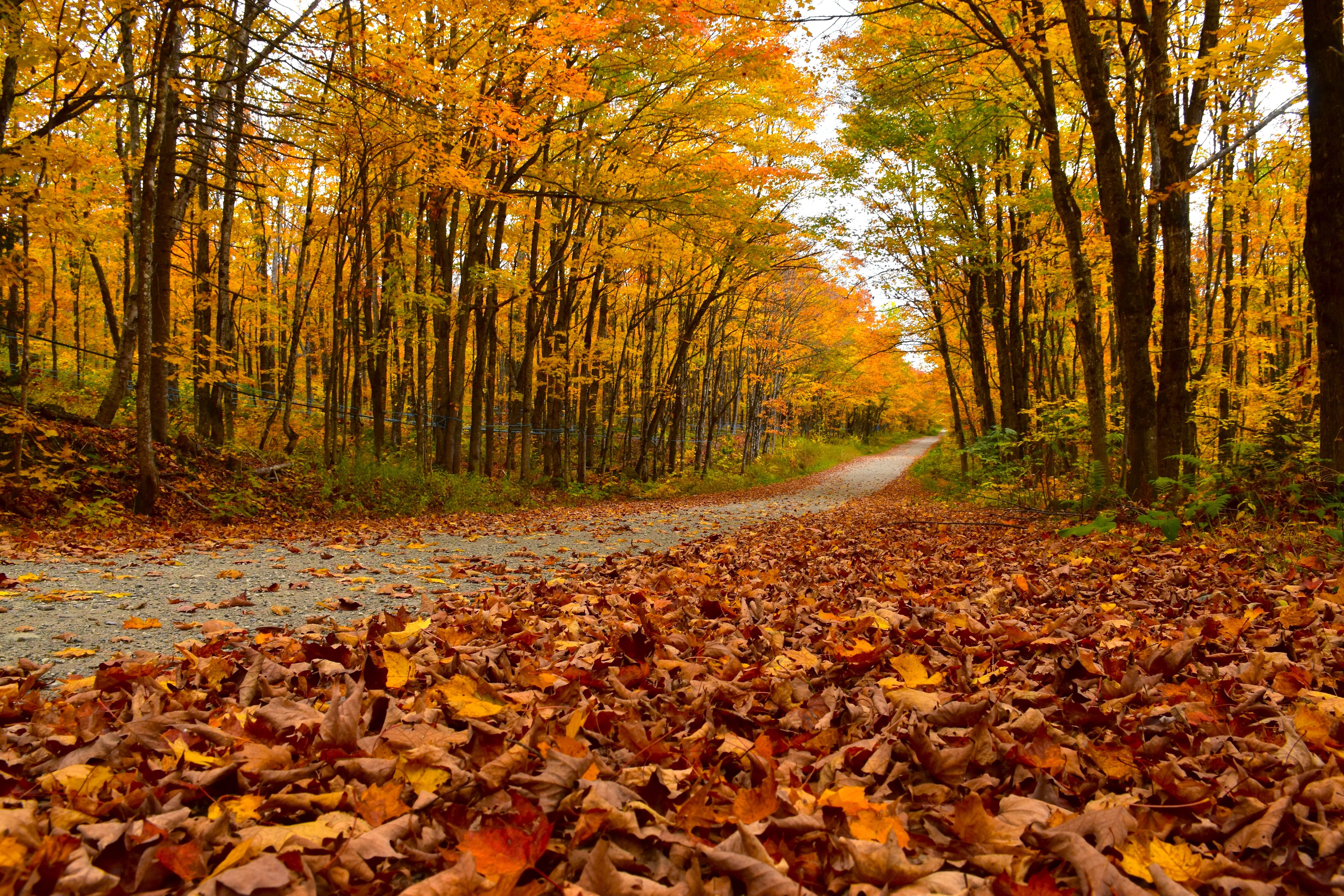
During the change from summer to autumn, the reduction in daylight can lead to feelings of lethargy or sadness for some individuals. This phenomenon is often referred to as seasonal affective disorder (SAD). Recognizing the signs early can help in taking proactive measures to cope with these changes.
Establishing a Routine
One effective way to combat the mental strain of seasonal changes is by establishing a consistent routine. Maintaining regular sleep patterns, meal times, and exercise schedules can provide a sense of stability and predictability, which is particularly beneficial during times of transition.
Consider adding activities that bring joy and relaxation into your daily routine. Whether it's a morning walk, reading a book, or practicing mindfulness, these activities can be powerful tools for maintaining mental balance.
Connecting with Nature
Spending time outdoors can significantly improve your mood and mental health. Even as the weather cools, taking a brisk walk or simply sitting in a park can help reduce stress and anxiety. Nature exposure is linked to increased feelings of vitality and satisfaction.
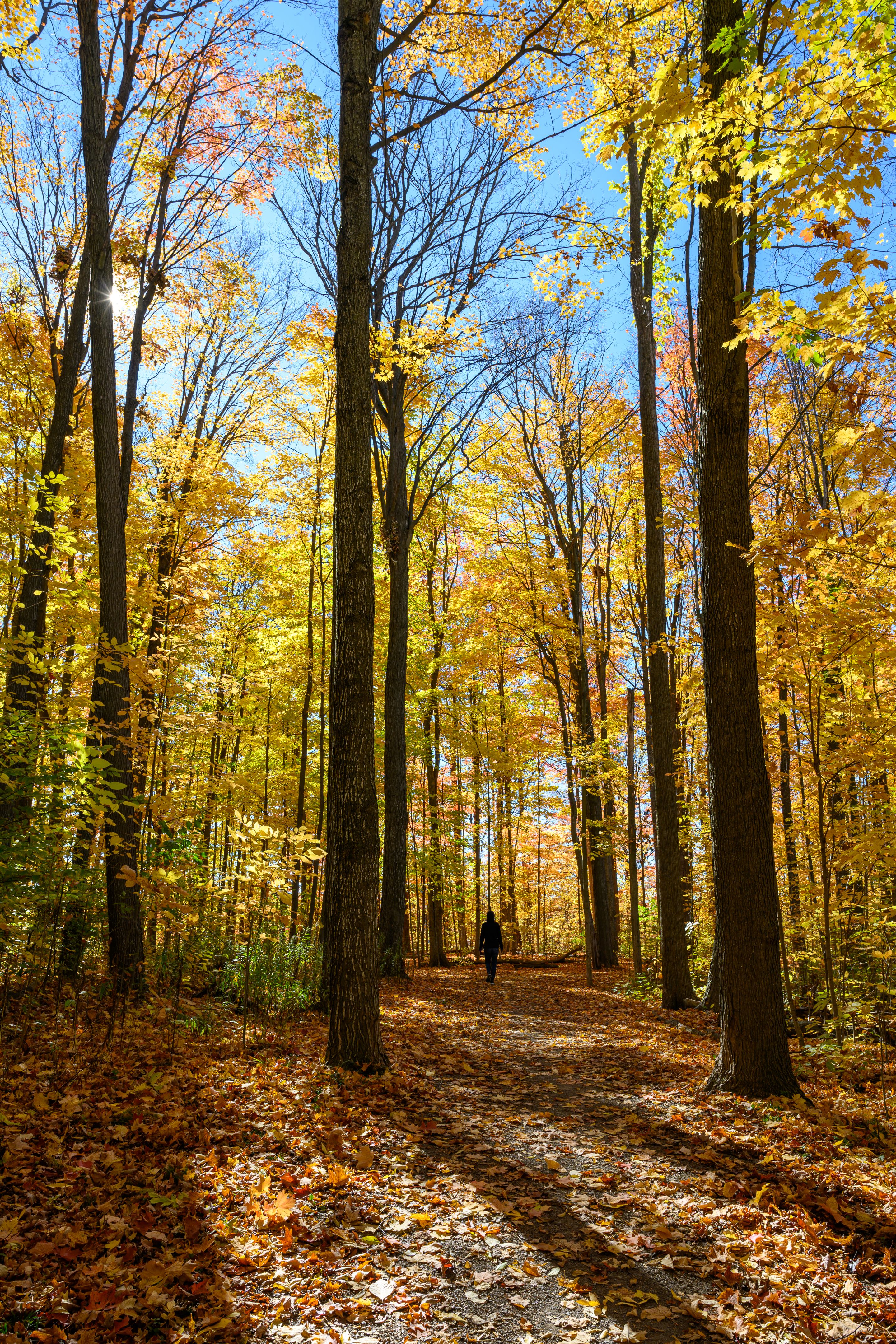
Try to incorporate outdoor activities into your weekly routine. Whether it's a weekend hike or a simple stroll after dinner, these experiences can enhance your connection with the natural world and improve your overall well-being.
Seeking Support
If you find that seasonal changes are significantly impacting your mental health, it's important to reach out for support. Talking to friends, family, or a mental health professional can provide valuable insights and coping strategies.
Consider joining support groups that focus on managing seasonal changes. These groups offer a sense of community and understanding, helping you feel less isolated in your experiences.

Practical Tips for Managing Seasonal Changes
- Light Therapy: Consider using a light therapy lamp to compensate for reduced daylight.
- Balanced Diet: Ensure your diet is rich in nutrients to support overall health.
- Regular Exercise: Engage in physical activities to boost endorphins and improve mood.
These practical tips can be easily incorporated into your daily routine, helping you to navigate the seasonal transition with greater ease and resilience. Remember, taking small steps can lead to significant improvements in your mental health during these times of change.