
Navigating Seasonal Affective Disorder: Tips for a Brighter Season


As the days grow shorter and the temperature drops, many people experience a shift in mood and energy levels. This phenomenon, known as Seasonal Affective Disorder (SAD), can make the winter months feel particularly challenging. However, understanding and addressing SAD can help you navigate the season with a brighter outlook.

Understanding Seasonal Affective Disorder
Seasonal Affective Disorder is a type of depression that occurs at a specific time of year, usually in the winter. It is believed to be related to the reduction in sunlight, which can disrupt your body's internal clock and lead to feelings of sadness and lethargy. Common symptoms include low energy, changes in sleep and appetite, and difficulty concentrating.
Recognizing these symptoms early is crucial for managing SAD effectively. If you notice a pattern of mood changes during the winter months, consider speaking with a healthcare professional for guidance and support.

Effective Strategies for Managing SAD
Maximize Exposure to Natural Light
One of the simplest and most effective ways to combat SAD is to increase your exposure to natural light. Try to spend time outdoors during daylight hours, even if it's just a short walk. Additionally, keep your home well-lit by opening curtains and blinds to let in as much sunlight as possible.
Consider Light Therapy
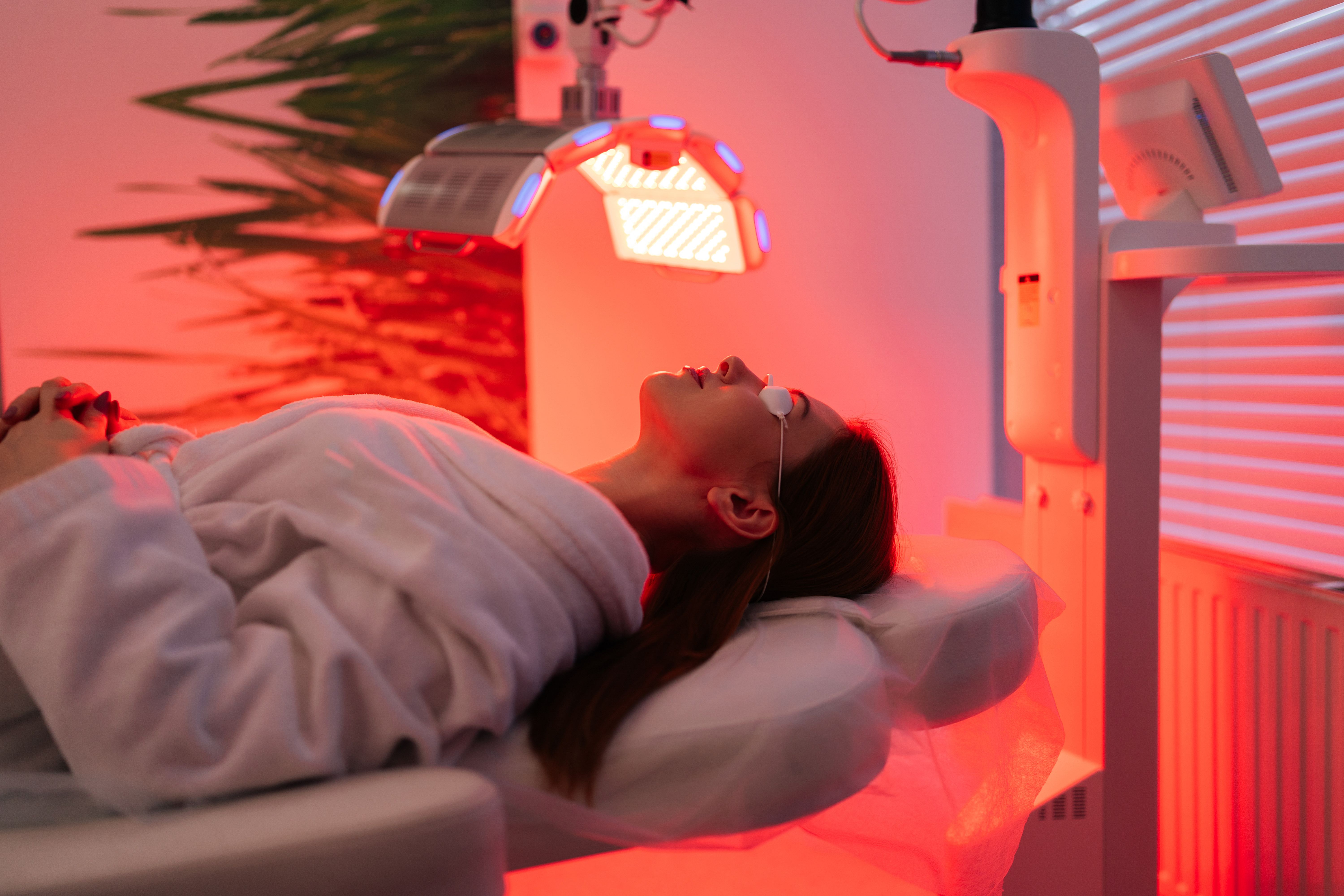
Light therapy is a popular treatment for SAD and involves sitting in front of a light box that mimics natural sunlight. This can help regulate your body's internal clock and improve mood. It's essential to choose a light box that provides at least 10,000 lux and use it consistently for the best results.
Stay Active and Engaged
Physical activity is a powerful mood booster. Regular exercise can help alleviate the symptoms of SAD by releasing endorphins and promoting better sleep. Consider activities like yoga, swimming, or even brisk walking. Additionally, staying socially active and connected with friends and family can provide emotional support and uplift your spirits.
Diet and Lifestyle Adjustments
Focus on a Nutrient-rich Diet
What you eat can significantly impact your mood and energy levels. Incorporate foods rich in Omega-3 fatty acids, such as salmon and walnuts, as they can help improve brain function and mood. Don't forget to include plenty of fruits, vegetables, and whole grains in your diet to maintain overall health.
- Salmon
- Walnuts
- Fruits and Vegetables
- Whole Grains
Establish a Consistent Sleep Routine
Quality sleep is crucial for managing SAD. Try to maintain a regular sleep schedule by going to bed and waking up at the same time each day. Create a relaxing bedtime routine to help you unwind and prepare for a restful night's sleep.

By understanding and addressing the symptoms of Seasonal Affective Disorder, you can take proactive steps to enhance your well-being during the winter months. Remember, seeking professional help and utilizing these strategies can lead to a brighter and more enjoyable season.