
How Counseling Can Help with Anxiety: Techniques and Approaches


Understanding Anxiety
Anxiety is a common emotional response that can affect anyone at any stage of life. It often manifests as feelings of worry, fear, or unease. While occasional anxiety is a normal part of life, chronic anxiety can interfere with daily activities and overall well-being. This is where counseling can play a crucial role in managing and reducing anxiety symptoms.

Benefits of Counseling for Anxiety
Counseling offers a safe space to explore the underlying causes of anxiety. A trained therapist can help individuals identify triggers, develop coping strategies, and work towards long-term solutions. The benefits of counseling are not just limited to emotional relief but also include improved relationships and better stress management.
Through counseling, individuals gain a deeper understanding of their anxiety and learn to approach it with a proactive mindset. This empowers them to take control of their lives and reduce the impact anxiety has on their daily routines.
Cognitive Behavioral Therapy (CBT)
Cognitive Behavioral Therapy (CBT) is one of the most effective therapeutic approaches for anxiety. It focuses on identifying and challenging negative thought patterns that contribute to anxiety. Through CBT, individuals learn to replace these thoughts with more balanced and constructive ones.
CBT involves structured sessions where clients work with therapists to set achievable goals and practice new skills. Over time, this approach helps in reducing the intensity and frequency of anxiety episodes.

Exposure Therapy
Exposure therapy is another technique used in counseling to help individuals confront their fears in a controlled environment. This approach gradually exposes individuals to anxiety-provoking situations, allowing them to build confidence and reduce avoidance behaviors.
By facing these fears repeatedly, clients learn that anxiety diminishes over time, and they develop resilience against future anxiety triggers.
Mindfulness and Relaxation Techniques
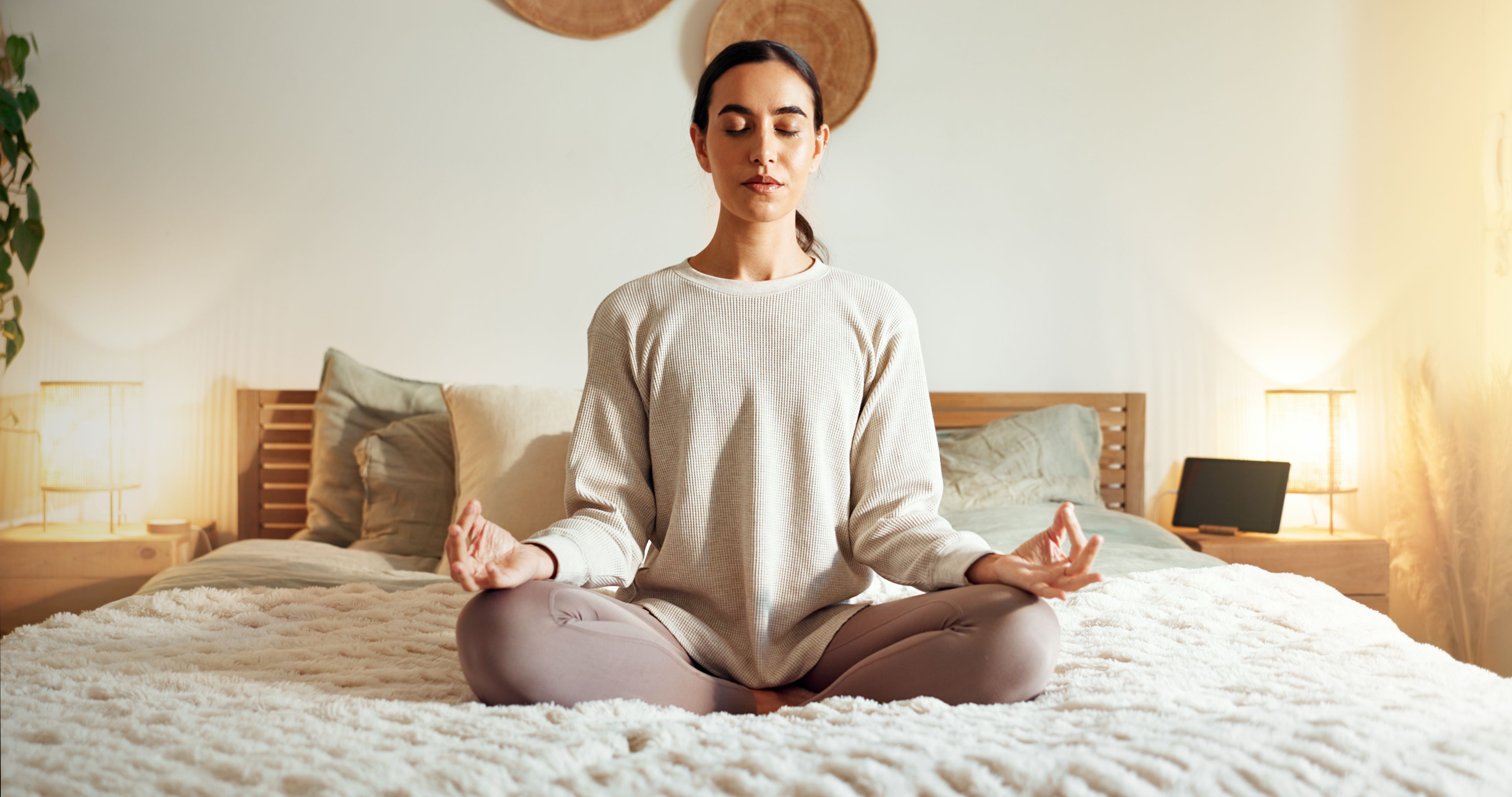
Mindfulness practices are highly effective in managing anxiety. Techniques such as deep breathing, meditation, and progressive muscle relaxation help in calming the mind and body. These practices encourage individuals to stay present and focused, reducing the grip of anxiety on their thoughts.
Incorporating these techniques into daily routines can significantly enhance emotional regulation and overall mental health.
Group Therapy for Anxiety
Group therapy provides a supportive environment where individuals can share their experiences and learn from others facing similar challenges. This collective approach fosters a sense of community and understanding, which can be incredibly comforting for those dealing with anxiety.
Participants in group therapy benefit from peer support, diverse perspectives, and shared coping strategies, which can enhance their personal growth and recovery journey.
Final Thoughts
Counseling offers a comprehensive approach to managing anxiety, addressing both the emotional and practical aspects. By utilizing techniques like CBT, exposure therapy, and mindfulness, individuals can achieve significant improvements in their mental health.
If anxiety is affecting your quality of life, consider reaching out to a professional counselor. With the right support, you can navigate through anxiety and lead a more fulfilling and balanced life.